
Introduction
Benefits of lactic acid bacteria: which foods contain plenty of them? What might they be? Humans have approximately 37 trillion cells. How many bacteria live in our intestines, then? Let us look at the benefits of lactic acid bacteria for the gut. Original viewing instruction: click the images and swipe sideways.
In the previous post, we explained chronic low-grade inflammation. Where does this occur most often? In the gut. This helps explain why the gut is sensitive and important. Lactic acid bacteria are what we need to look after for the gut. From here, let us explore their benefits more closely.
Even cellulite is associated with lactic acid bacteria! I did not know that before. As mentioned at the beginning, the body has about 37 trillion cells. We eat diligently for those 37 trillion cells, but the intestines are described here as containing even more: 100 trillion bacteria. Lactic acid bacteria are among the beneficial bacteria in the gut.
For lactic acid bacteria to thrive, they need prebiotics that allow them to feed and grow. Prebiotics are food for these bacteria. Let us see what contains plenty of prebiotics. They occur in all vegetables. In addition to vegetables, the turmeric, onions and burdock shown earlier in the images are described as containing plenty, so it would be good to include them in your diet.
For the gut! For my body! We have looked at the benefits of lactic acid bacteria and foods rich in them. We will continue sharing useful information.
Original illustrations & English text
The original artwork is preserved below, with English translations of the text in each illustration.
What happens when intestinal lactic acid bacteria decrease?

Where does chronic low-grade inflammation occur most often?

The gut.
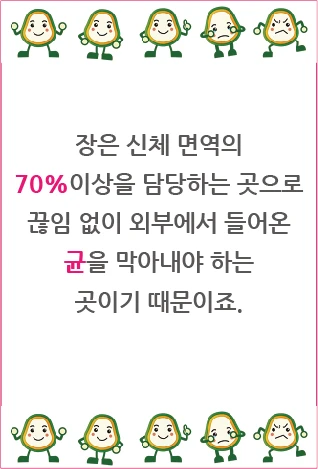
The gut is described as responsible for more than 70% of the body’s immunity and must continually defend against germs entering from outside.

Lactic acid bacteria are described as most important for gut health.

What happens when intestinal lactic acid bacteria decrease?
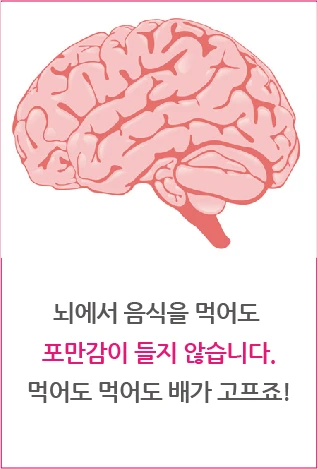
The brain does not register fullness even after food is eaten. You remain hungry no matter how much you eat.
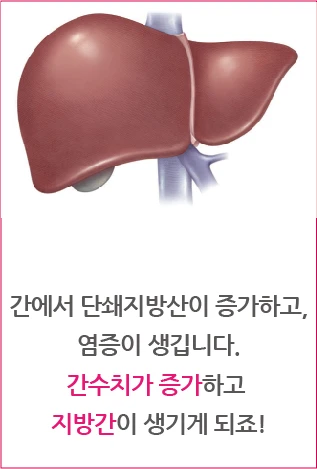
Short-chain fatty acids increase in the liver and inflammation occurs. Liver enzyme levels increase and fatty liver develops.
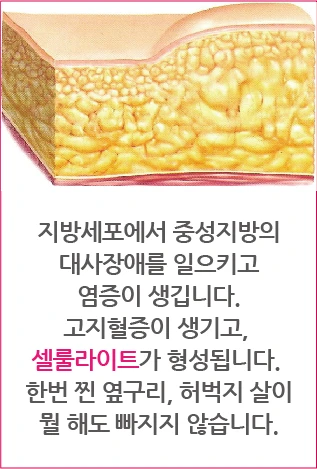
Triglyceride metabolism is disrupted in fat cells and inflammation occurs. Hyperlipidemia and cellulite develop. Once fat accumulates at the waist and thighs, it does not come off whatever you try.

Fatty-acid metabolism decreases in muscles. Hyperlipidemia and muscle fatigue occur.
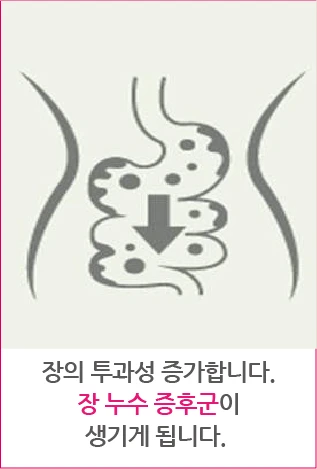
Intestinal permeability increases and leaky-gut syndrome develops.

We have been eating three meals a day to feed our 37 trillion cells.

However, the gut is described as containing far more—about 100 trillion bacteria living symbiotically with us. Approximately 15% of intestinal bacteria are described as lactic acid bacteria.
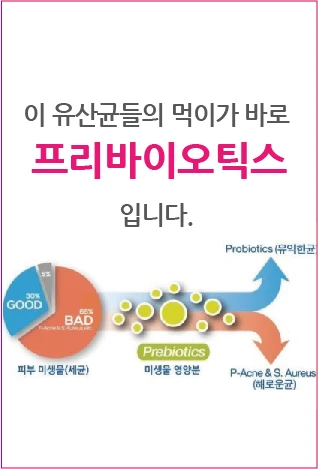
The food for these lactic acid bacteria is prebiotics. Embedded diagram: probiotics (beneficial bacteria); good 30%; bad 65%; harmless 5%; skin microorganisms (bacteria); prebiotics—nutrients for microorganisms; P. acnes and S. aureus (harmful bacteria).

Prebiotics are needed for lactic acid bacteria to grow and multiply. Be sure to eat them!

Vegetables.

Burdock.

Onions.

Turmeric.
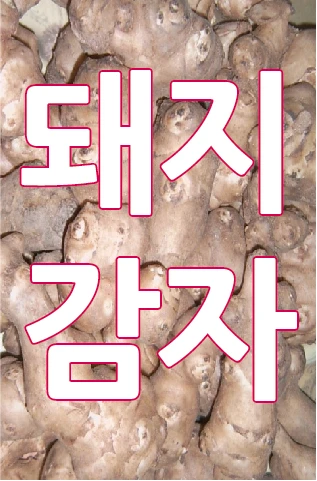
Jerusalem artichokes.

Include vegetables, burdock, onions, turmeric and Jerusalem artichokes in your diet. Provided by hormone-clinic doctor and trainer Dr. Chae, Yong-Hyun.