
Original article
Are there foods that make you lose weight the more you eat?
Minus-calorie foods
(Negative-calorie foods)
The article introduces foods said to make you lose weight as you eat more!
Although no food other than water actually contains zero calories,
some foods are described as being so low in calories
that digesting them requires more energy than they supply.
These are what the article calls “negative-calorie” foods.
01. Broccoli (28 kcal per 100 g)
Broccoli contains twice the vitamin C of lemons, according to the article.
It also supplies nutrients including potassium, calcium and dietary fiber,
which help bone and gum health and relief of inflammation.
The article describes it as lowering blood cholesterol and supporting vascular health and prevention of lifestyle-related diseases.
02. Tomatoes (14 kcal per 100 g)
Lycopene, responsible for tomatoes' red color, has antioxidant properties,
to which the article attributes anti-cancer, anti-aging and lifestyle-disease prevention effects.
It also describes tomato organic acids as aiding digestion and abundant minerals as helping neutralize
acidifying blood, while potassium helps remove sodium, lower blood pressure and prevent swelling.
03. Blueberries (56 kcal per 100 g)
Called one of the ten superfoods here, blueberries contain substantial dietary fiber
and anthocyanins, described as helping prevent aging and supporting eye health.
They are also rich in minerals such as calcium, iron and manganese, as well as various vitamins and minerals,
which the article describes as removing free radicals and helping keep skin clear.
04. Grapefruit (30 kcal per 100 g)
Rich in potassium and vitamin C, just half a grapefruit a day is described here as supplying
the recommended daily amount of vitamin C.
The article also describes it as helpful for preventing colds and relieving fatigue and hangovers. Its high pectin content
is said to improve cholesterol levels and help lower blood sugar.
However, for patients taking medication for hypertension,
the original article warns of drug interactions and recommends avoiding grapefruit, describing the interaction as reducing medication effectiveness.
05. Apples (57 kcal per 100 g)
The article describes abundant apple fiber as stimulating the intestine and relieving constipation.
It says apples raise blood sugar slowly and contain a higher proportion of complex polysaccharides rather than simple sugars
that readily become stored fat, and attributes appetite-suppressing effects to this.
If you eat only so-called negative-calorie foods because they are said to help weight loss,
your body will lack necessary nutrients overall.
Fruit can also contain substantial sugar and sometimes cause rapid blood-sugar rises, so take care.
Very acidic fruit may damage the stomach lining, according to the article.
Eating a balanced variety is best!
Original illustrations & English text
The original artwork is preserved below, with English translations of the text in each illustration.
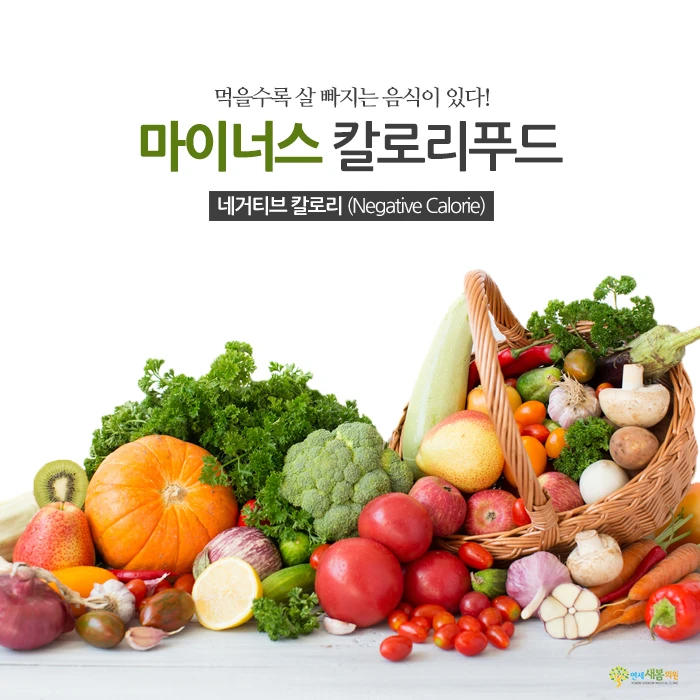
Are there foods that make you lose weight the more you eat? Minus-calorie foods / Negative-calorie foods.
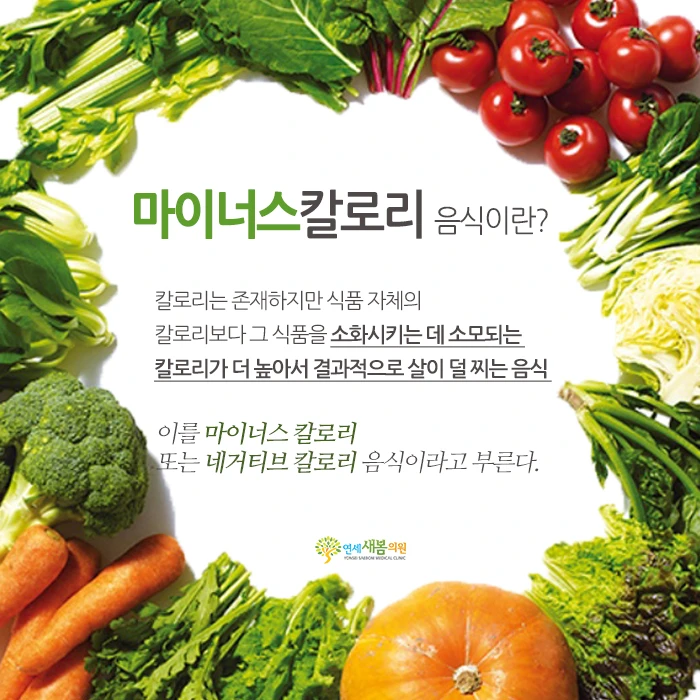
The graphic calls foods “minus-calorie” or “negative-calorie” when they contain calories but supposedly require more energy to digest than they provide, resulting in less weight gain.
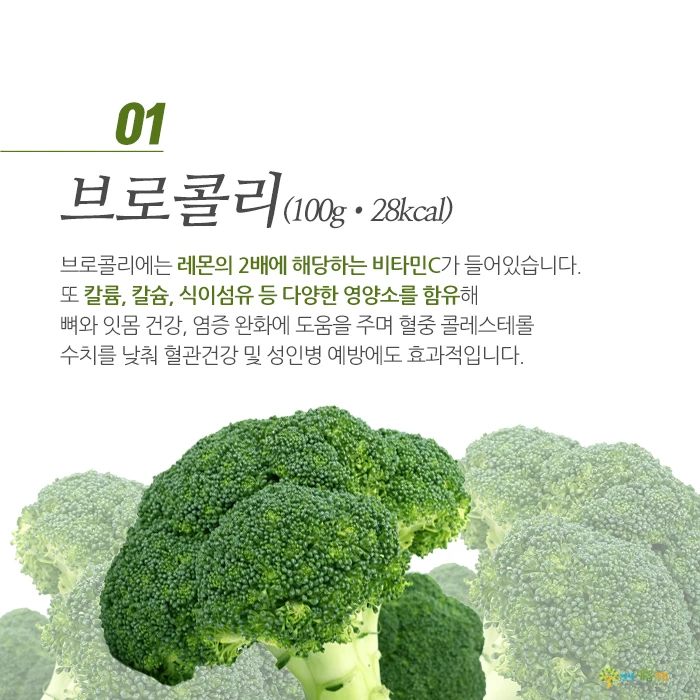
01. Broccoli (28 kcal per 100 g) Broccoli contains twice the vitamin C of lemons, according to the article. It also supplies nutrients including potassium, calcium and dietary fiber, which help bone and gum health and relief of inflammation. The article describes it as lowering blood cholesterol and supporting vascular health and prevention of lifestyle-related diseases.
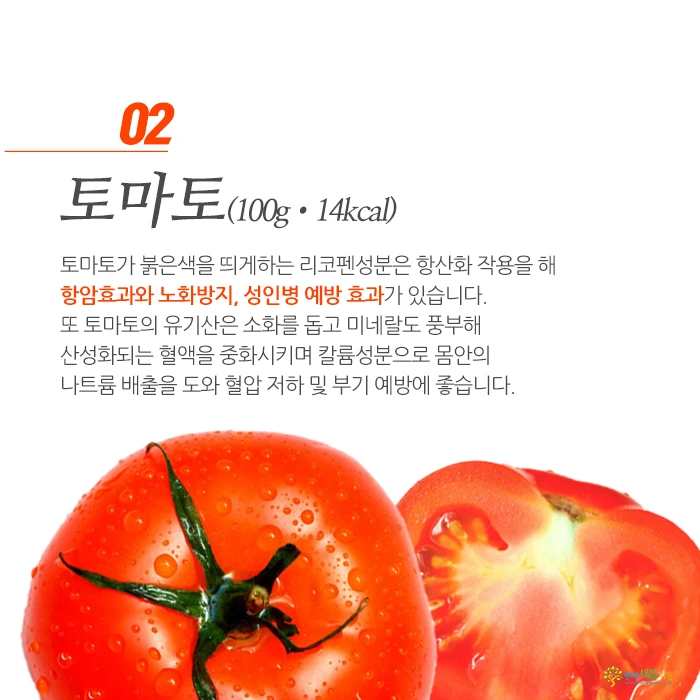
02. Tomatoes (14 kcal per 100 g) Lycopene, responsible for tomatoes' red color, has antioxidant properties, to which the article attributes anti-cancer, anti-aging and lifestyle-disease prevention effects. It also describes tomato organic acids as aiding digestion and abundant minerals as helping neutralize acidifying blood, while potassium helps remove sodium, lower blood pressure and prevent swelling.
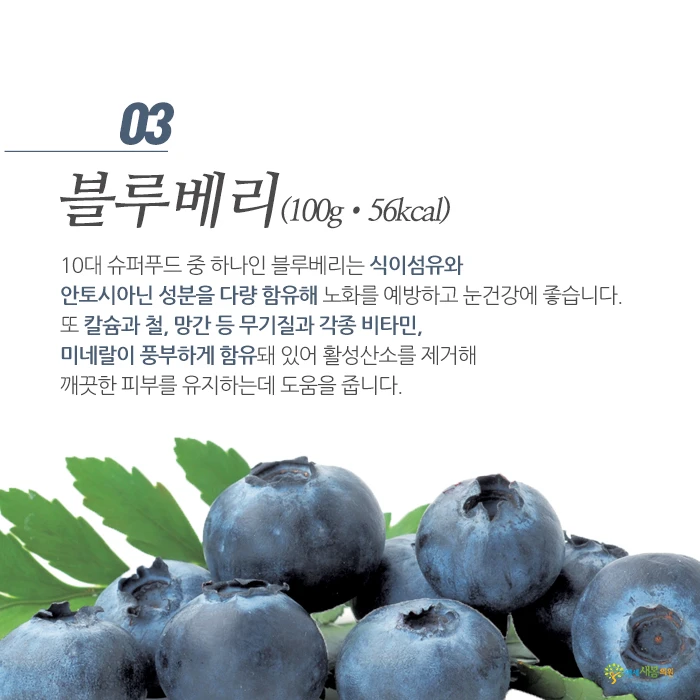
03. Blueberries (56 kcal per 100 g) Called one of the ten superfoods here, blueberries contain substantial dietary fiber and anthocyanins, described as helping prevent aging and supporting eye health. They are also rich in minerals such as calcium, iron and manganese, as well as various vitamins and minerals, which the article describes as removing free radicals and helping keep skin clear.
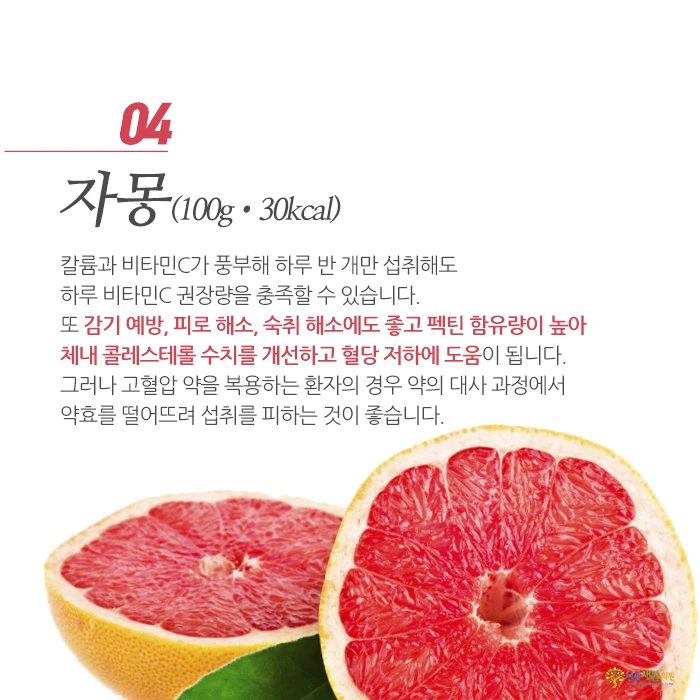
04. Grapefruit (30 kcal per 100 g) Rich in potassium and vitamin C, just half a grapefruit a day is described here as supplying the recommended daily amount of vitamin C. The article also describes it as helpful for preventing colds and relieving fatigue and hangovers. Its high pectin content is said to improve cholesterol levels and help lower blood sugar. However, for patients taking medication for hypertension, the original article warns of drug interactions and recommends avoiding grapefruit, describing the interaction as reducing medication effectiveness.
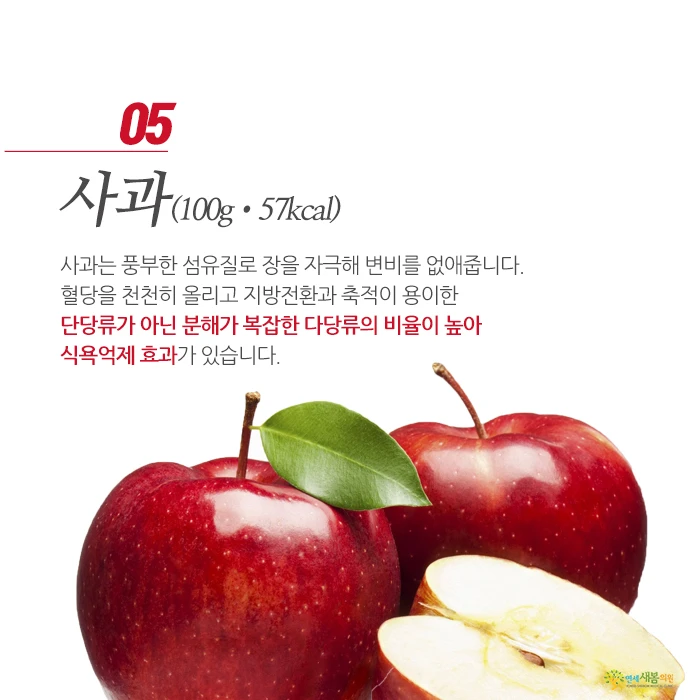
05. Apples (57 kcal per 100 g) The article describes abundant apple fiber as stimulating the intestine and relieving constipation. It says apples raise blood sugar slowly and contain a higher proportion of complex polysaccharides rather than simple sugars that readily become stored fat, and attributes appetite-suppressing effects to this.
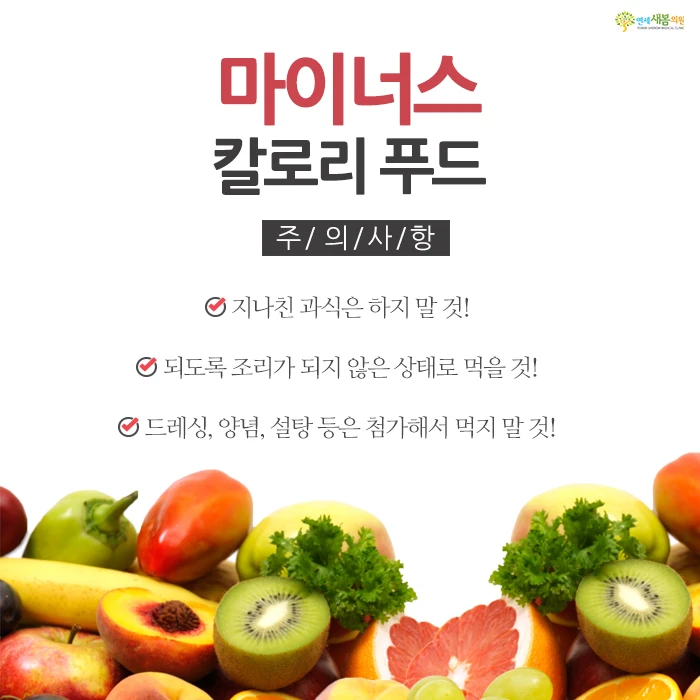
Precautions: do not eat excessively; eat these foods uncooked where possible; do not add dressing, seasonings or sugar, as recommended in the original graphic.