
Original article
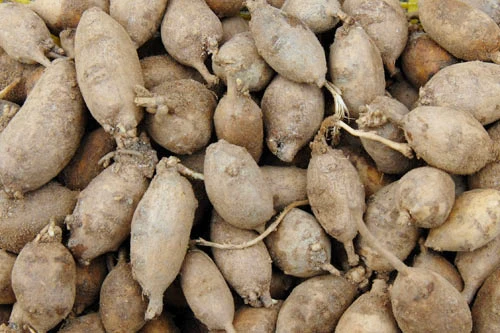
Today, let us talk about a food attracting attention lately: Indian potato. Formally known as apios, it is an unusual potato-like tuber that resembles a bean. Although relatively few people in Korea know it, it is fairly popular as a health food in North America.
Indian potato also has several characteristics that may help with dieting and weight management. Let us explore its benefits, how to eat it and its possible side effects.
Indian potato and weight management
1. Low calories and high fiber
The article describes Indian potato as low in calories and high in dietary fiber, which can help increase fullness. This may naturally help people control how much they eat and support weight loss.
2. Stimulating metabolism
Active compounds such as saponins may stimulate metabolism. A more active metabolism uses more calories and may help reduce weight.
3. Blood sugar regulation
Indian potato may help prevent a rapid rise in blood sugar. The article connects this with preventing thirst after meals or overeating, which may benefit long-term weight management.
4. Anti-inflammatory effects
Chronic inflammation is closely associated with obesity. The article suggests that anti-inflammatory components in Indian potato may reduce inflammation and thereby contribute to weight loss and maintaining a healthy weight.
5. Supporting digestion
Healthy digestion matters for weight management. The dietary fiber in Indian potato supports intestinal health and regular bowel movements.
These characteristics may make Indian potato somewhat helpful for dieting and weight management. However, anyone aiming to lose weight should also follow a balanced diet and exercise appropriately, and seek professional advice suited to their own health.
The benefits attributed to Indian potato
Immune support
Supporting metabolism and circulation; improving resistance to viruses and bacteria.
Osteoporosis prevention
A high calcium content; helping improve bone density and prevent osteoporosis.
Blood vessel health
Removing bad cholesterol and waste from blood vessels; encouraging circulation.
Restoring energy
Rich in protein, dietary fiber and calcium; supporting energy production, relieving fatigue and restoring stamina.
Anti-cancer effects
Breaking down lipid peroxides and substances associated with cancer; cancer prevention, as claimed in the original article.
Relieving atopic dermatitis and allergies
Reducing inflammatory responses, supporting the immune system and helping maintain healthy skin tissue.
1. Immune support
The article states that the abundant saponins and various minerals in Indian potato support metabolism and blood circulation. It attributes improved metabolic activity and immunity to these effects, helping resistance to viruses and bacteria.
2. Osteoporosis prevention
Indian potato contains substantial calcium. The original article gives its calcium content as twice that of milk and 30 times that of an ordinary potato. It describes this calcium intake as helping improve bone density and, consequently, helping prevent osteoporosis.
3. Blood vessel health
Indian potato is rich in saponins, a major component also found in ginseng. The article calls saponins a “cleaner of blood vessels” because of their role in vascular health. It says this component helps remove bad cholesterol and waste from blood vessels and promotes circulation, potentially helping prevent vascular conditions such as atherosclerosis and hypertension.
4. Restoring energy
Compared with ordinary potatoes, Indian potato contains more protein, dietary fiber and calcium. The article explains that these abundant nutrients help the body generate energy and may help relieve fatigue and restore stamina.
5. Anti-cancer effects
The original article attributes anti-cancer effects to the abundant saponins in Indian potato. It claims they break down lipid peroxides and potentially cancer-causing substances, restrain the spread and growth of cancer cells and may help prevent cancer.
6. Relieving atopic dermatitis and allergies
The article says Indian potato contains components that regulate body temperature, reduce feelings of heat and calm inflammatory responses, potentially relieving atopic dermatitis. It also suggests its nutrients support immunity and healthy skin tissue, which may help reduce allergic reactions over time.
Possible side effects of Indian potato
The original article states that Indian potato contains toxic components such as solanine and should therefore be cooked before eating, with intake limited to no more than seven tubers per day. It lists increased testosterone or triglyceride levels, bloating and diarrhea as possible consequences of excessive intake.
Because health conditions and medications may affect side effects or interactions, anyone with particular health concerns is encouraged to consult a healthcare professional before adding it to their diet. Consider your own health and eat an appropriate amount.
Ways to eat Indian potato
Indian potato can be prepared much like ordinary potatoes: boiled, steamed, fried, stir-fried or baked. For example, add it to soup or stew, boil it for a salad, or mash it like mashed potatoes.
We have now looked at Indian potato's benefits, preparation and possible side effects. When eaten appropriately, the article suggests that it provides various nutrients for weight loss and health, and may help establish effective weight management and a healthy lifestyle.
Healthy weight management involves more than eating a particular food. A balanced overall diet, regular exercise, stress management and sufficient sleep should work together. Eating appropriate amounts of nutrient-rich foods, including Indian potato, while improving daily habits may positively affect hormone balance and weight management and help maintain a healthy life.
Original illustrations & English text
The original artwork is preserved below, with English translations of the text in each illustration.

Indian potato benefits: a food described as lowering cholesterol. Side effects and ways to eat it.