

Introduction
Do you keep gaining weight? This is attributed here to hormonal imbalance. Eighty percent of the population of Korea is described as deficient in “this.” Today, let us learn about the vitamin D hormone.
Vitamin D affects the body. A lack of vitamin D is described as raising the weight set point that keeps weight stable, thereby increasing body fat. This may lead to obesity, particularly abdominal obesity.
How can we address hormonal imbalance caused by vitamin D deficiency? The post’s answer is the Hormone Balance Diet. An individualized program helps you understand your condition and restore hormones that were out of balance, aiming to achieve health and a fully managed body shape together. YONSEI SaeBom Medical Clinic—Hormone Balance Diet. Dr. Chae, Yong-Hyun’s signature diet program.
Original illustrations & English text
The original artwork is preserved below, with English translations of the text in each illustration.
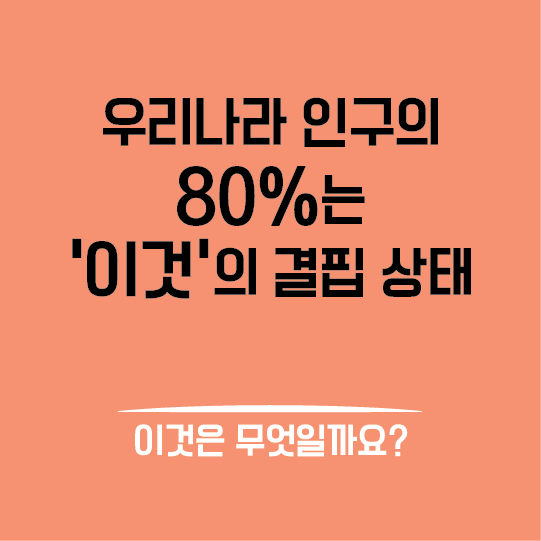
Eighty percent of Korea’s population is deficient in “this.” What is it?
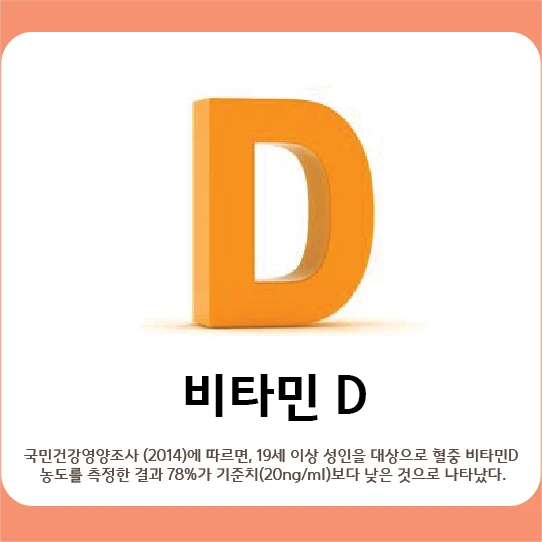
Vitamin D. According to the 2014 Korea National Health and Nutrition Examination Survey, measurements of blood vitamin D in adults aged 19 and older found that 78% were below the reference level of 20 ng/ml.

Vitamin D deficiency is described as weakening insulin action and thereby contributing to abdominal obesity.
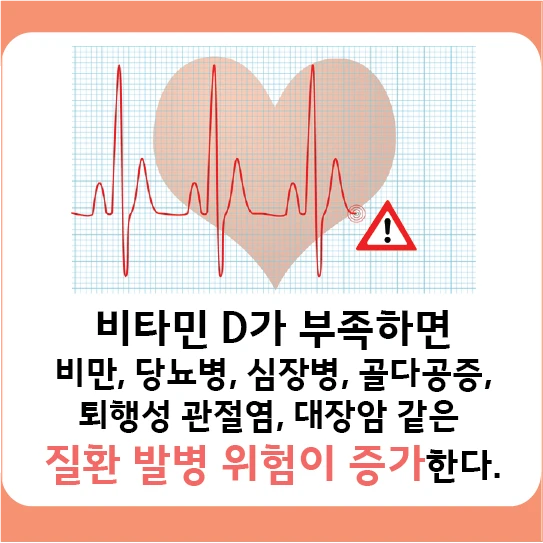
Insufficient vitamin D is described as increasing the risk of obesity, diabetes, heart disease, osteoporosis, degenerative arthritis and colorectal cancer.

The weight set point rises and fat mass increases: the reason your weight keeps increasing.

The answer presented is the Hormone Balance Diet.

Dr. Chae, Yong-Hyun’s signature hormone diet program: address hormonal imbalance through an individualized program and succeed with dieting.