
Original article
“Your future is at risk.”
Could this describe you? Insulin resistance.
Disrupted hormone balance is a warning sign for health, the article reminds readers.
Today, let us talk about insulin.
How is your health?
Insulin moves glucose from the blood into cells, providing energy,
and the original article also describes it as supporting circulation.
When the body's response to insulin is reduced,
below the normal level, this is called insulin resistance.
When insulin function is impaired and resistance increases, changes within the body can affect health.
The article lists fatigue, persistent hunger, difficulty losing weight, sugar cravings, fatigue after meals and chronic pain,
alongside obesity, chronic fatigue, migraine and carbohydrate cravings,
as problems seen in people with insulin resistance.
It also describes these as underlying reasons or causes associated with insulin resistance.
If insulin resistance continues and increases,
the article associates it not only with diabetes but also with polycystic ovary syndrome, high cholesterol, hypothyroidism and excess female hormones.
It describes hormonal imbalance developing into various conditions
and threatening health and life.
That is why understanding and addressing insulin resistance matters for health.
The article says that reducing factors that contribute to hormonal imbalance is important for improving insulin resistance.
Build eating habits around good-quality foods and use appropriate exercise to maintain a normal weight,
improving daily habits to support hormone balance.
However, if your understanding is mistaken and you follow an unsuitable approach, it may have no benefit.
For example, believing an unsuitable food is healthy and eating it is like pouring water into a bucket with a hole.
Which foods are good choices, and which habits make up healthy daily living?
The original post presents the Hormone Balance Diet program as an easy way to support hormone balance.
It describes the program as helping people understand the whole process of body-shape management,
answering questions about how their hormones became imbalanced and which habits are harming health.
Through the program, it says, these lessons can become familiar and help you move toward a healthier self.
The original promotional message invites readers to address underlying bodily concerns through the Hormone Balance Diet program.
Original illustrations & English text
The original artwork is preserved below, with English translations of the text in each illustration.
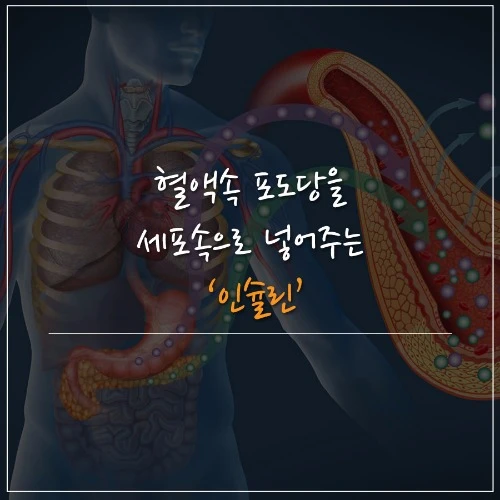
Insulin moves glucose from the blood into cells.
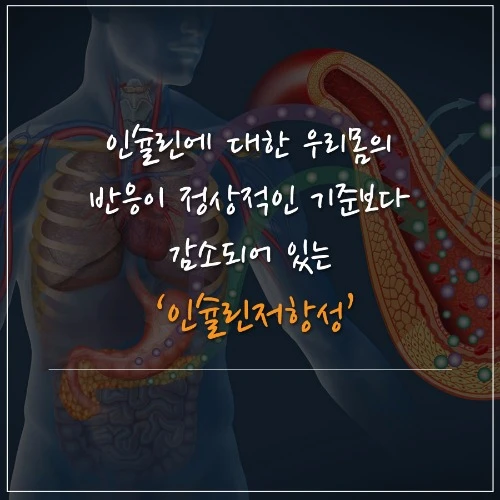
Insulin resistance: the body’s response to insulin is reduced below the normal level.

The original graphic describes insulin resistance as a problem among people with obesity, migraine, chronic fatigue and carbohydrate cravings.

The graphic associates increasing insulin resistance with conditions such as high cholesterol, hypothyroidism, diabetes and excess female hormones, threatening health.

The graphic emphasizes recognizing insulin resistance and addressing it promptly.

The original graphic recommends improving insulin resistance by choosing good-quality foods, changing eating habits and exercising appropriately to maintain a normal weight, thereby supporting hormone balance.

“Address underlying bodily concerns with the Hormone Balance Diet program.” Dr. Chae Yong-hyeon’s Hormone Balance Diet at YONSEI SaeBom Medical Clinic.