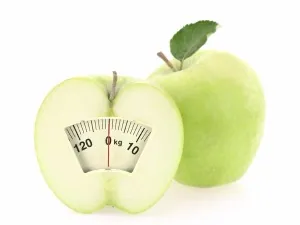

Original article
For many middle-aged people, abdominal fat is the biggest frustration when dieting. It affects the fit of clothes and can also harm health. Increased fat around the waist and navel is associated with higher rates of conditions such as diabetes, hypertension and atherosclerosis. If extra fat keeps appearing around your abdomen or thighs despite no increase in food intake, consider age-related weight gain. This often begins in the mid-thirties. The article attributes it to less efficient metabolism and declining growth and sex hormones with age.
Growth hormone helps bones and muscles develop during adolescence and maintains muscle mass in adulthood. Although often thought to be produced only during growth, it continues to be secreted later in life, in smaller amounts. The original article states that secretion decreases by 14.4% each decade after the twenties and is about half the twenties level after the sixties. It connects this with reduced muscle mass and fat replacing lost muscle.
As muscle decreases, the basal energy expenditure it supports also falls. Some nutrients consumed are therefore stored as fat rather than converted to usable energy. The article gives a commonly cited estimate that people in their forties use approximately 20% fewer calories than in their twenties. It recommends regular exercise, sufficient sleep and especially adequate protein to support growth-hormone levels, emphasizing hormone balance.
http://blog.naver.com/saebom2469
YONSEI SaeBom Medical Clinic: Dr. Chae Yong-hyeon's appearance on Live Today. Provided by hormone-clinic physician and trainer Dr. Chae Yong-hyeon.
Original illustrations & English text
The original artwork is preserved below, with English translations of the text in each illustration.
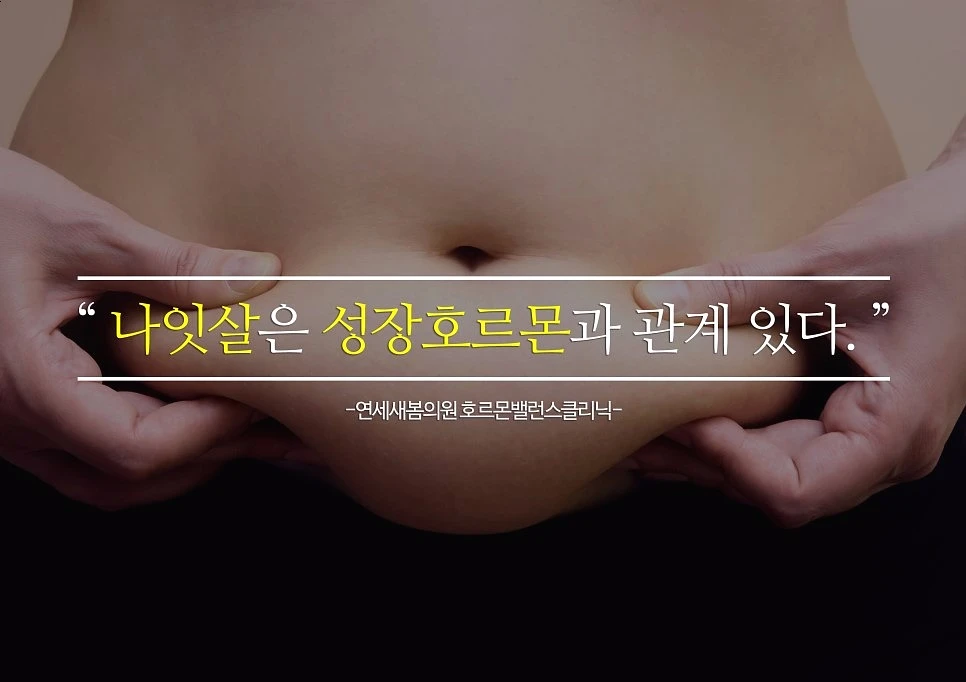
“Age-related weight gain is linked to growth hormone.”
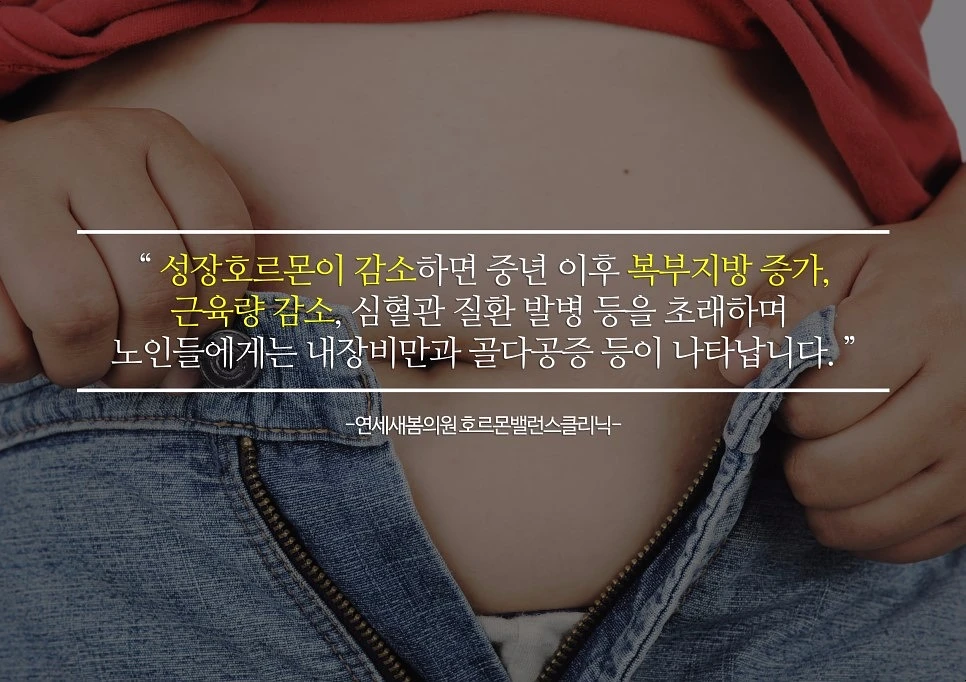
“When growth hormone declines, middle-aged people may develop abdominal fat, reduced muscle and weaker bone strength. In older age, visceral fat and fatty-liver-related concerns may increase,” the original graphic states.
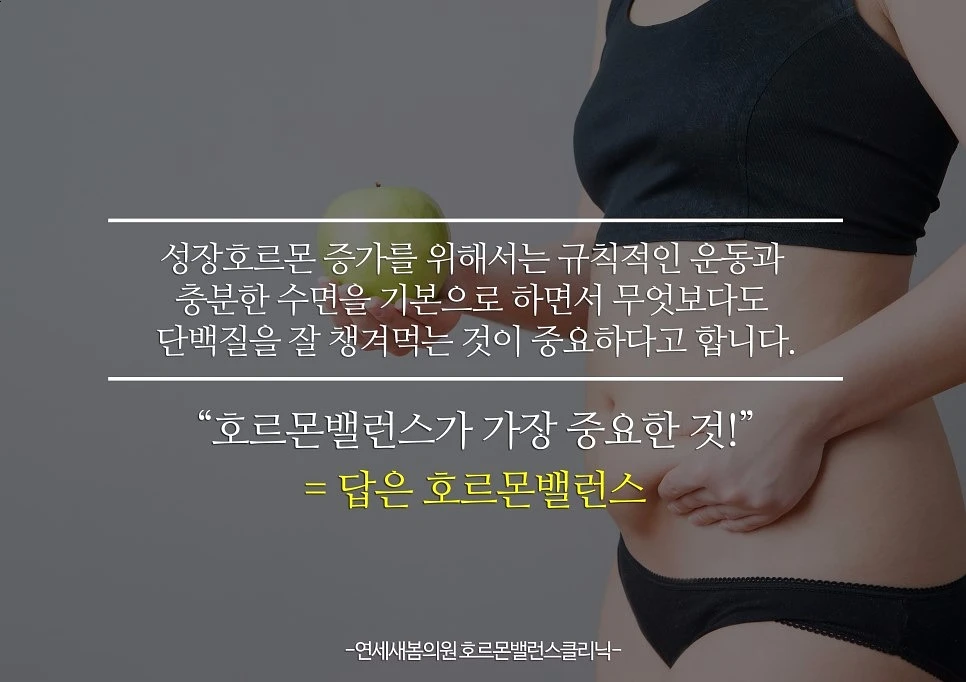
“To increase growth hormone, regular exercise and sufficient sleep are fundamental, and adequate protein is particularly important. Hormone balance matters most: the answer is hormone balance,” the original graphic says.

Dr. Chae Yong-hyeon appears on Live Today. YONSEI SaeBom Medical Clinic Hormone Balance Clinic.