Age-related changes in muscle and growth hormone are considered alongside exercise, sleep and protein intake.
A Health Warning: How to Lose Age-Related Weight
Dr. Chae, Yong-Hyun appeared on Live Today to discuss weight changes with age.
When it accumulates, it becomes illness. Take control of unwanted age-related weight!
The program considered why middle-age weight can be difficult to lose.
Fat may become more noticeable around the abdomen, thighs, buttocks and arms in middle age. These changes were discussed alongside metabolic health and declining growth hormone.
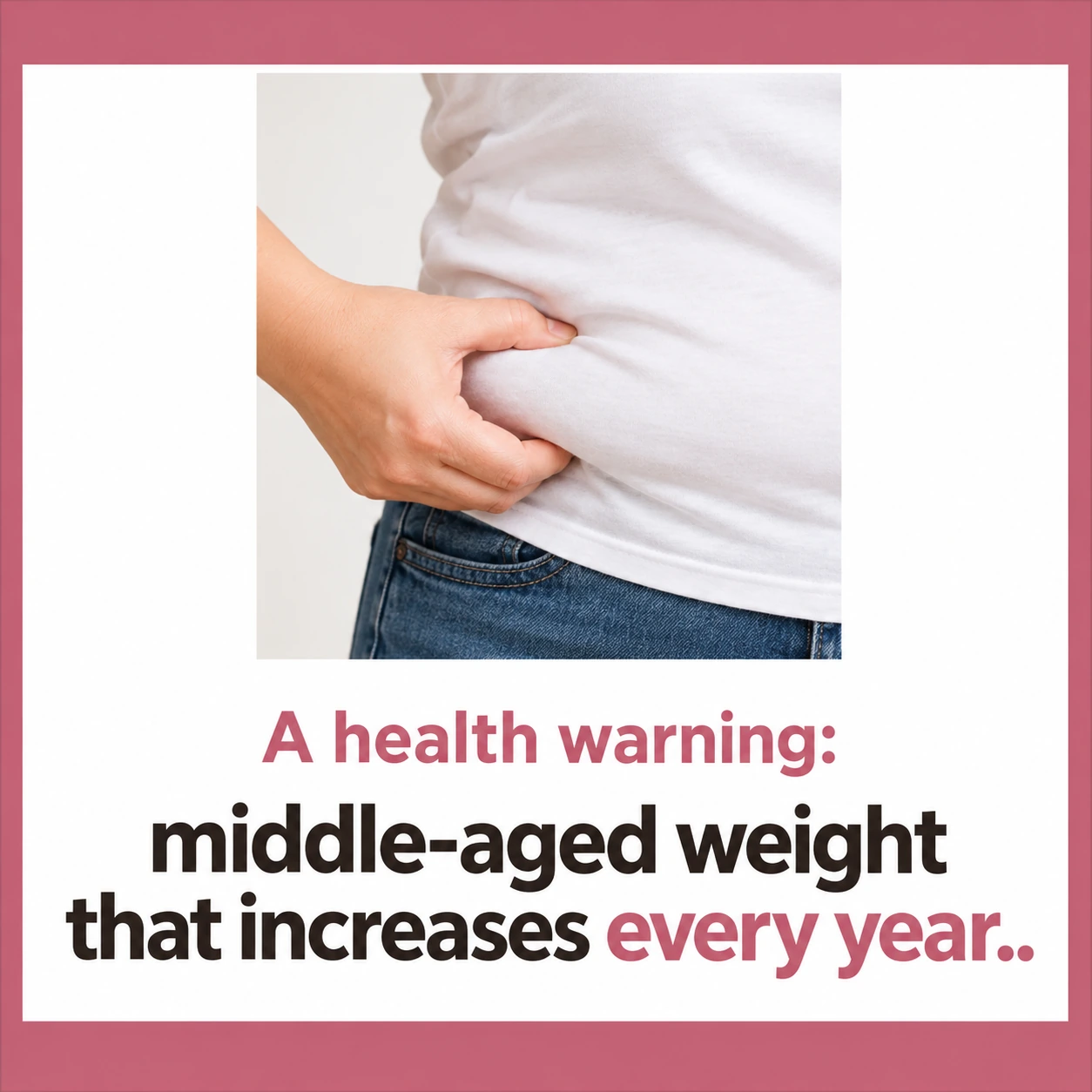
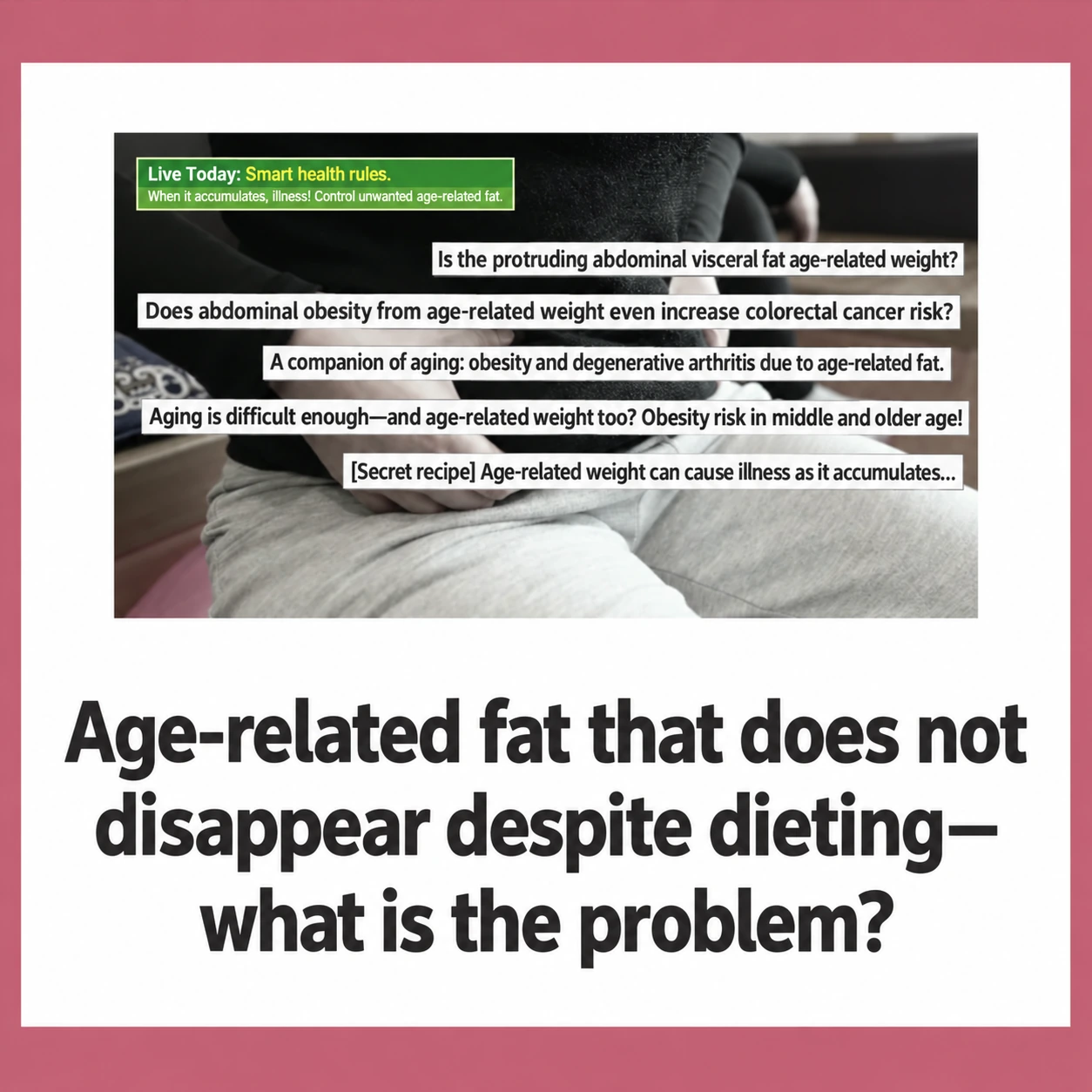
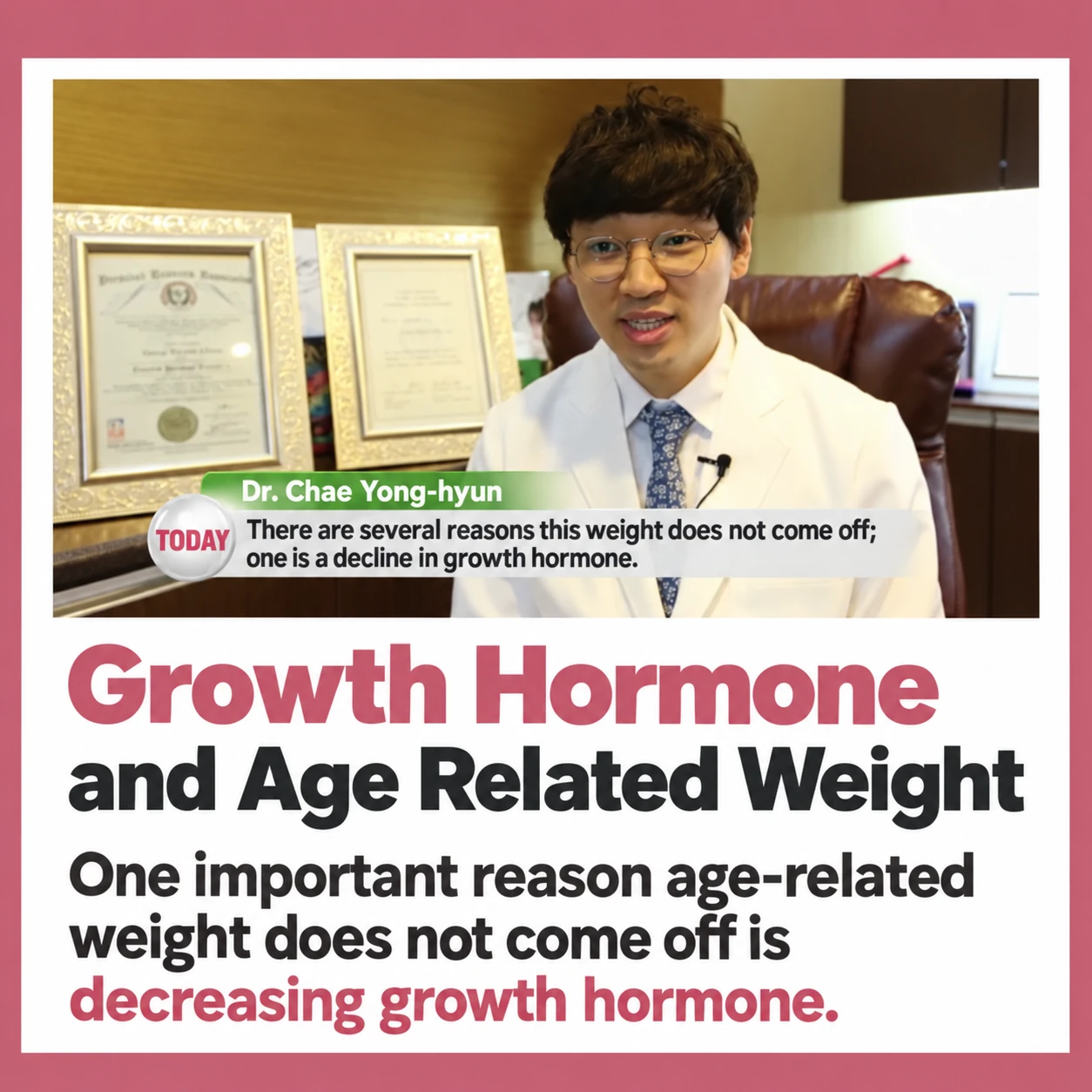
A health warning: middle-aged weight that increases every year.As age-related weight accumulates, it threatens health and can contribute to conditions including high blood pressure, arthritis and colorectal cancer.Age-related fat that does not disappear despite dieting—what is the problem? Broadcast captions: Is the protruding abdominal visceral fat age-related weight? Does abdominal obesity from age-related weight even increase colorectal cancer risk? A companion of aging: obesity and degenerative arthritis due to age-related fat. Aging is difficult enough—and age-related weight too? Obesity risk in middle and older age! [Secret recipe] Age-related weight can cause illness as it accumulates…One important reason age-related weight does not come off is decreasing growth hormone. Broadcast speaker: Dr. Chae, Yong-Hyun. “There are several reasons this weight does not come off; one is a decline in growth hormone.”Growth hormone, muscle and body fat
Growth hormone was linked with muscle and fat balance, including changes in abdominal fat.
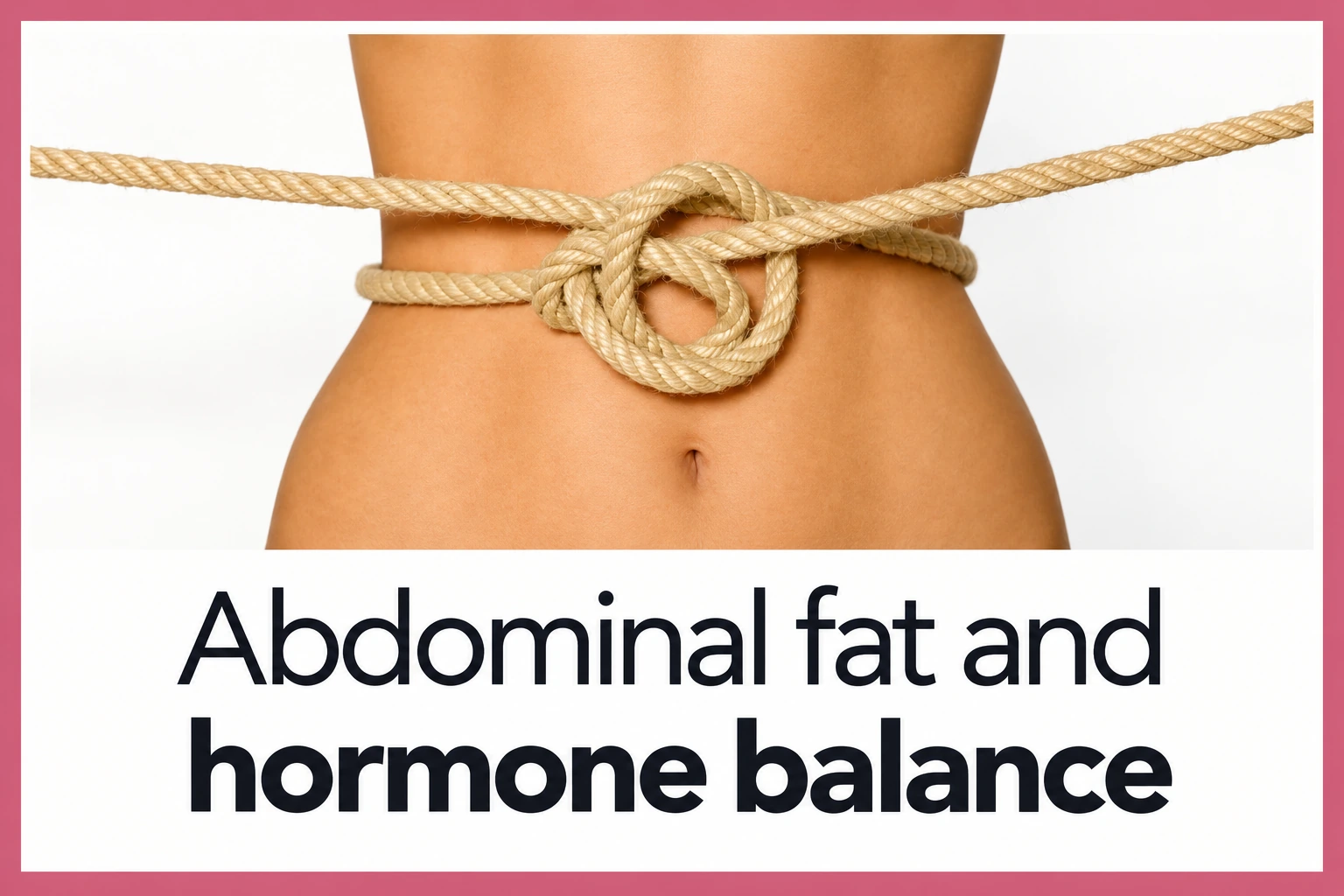
Abdominal fat and hormone balance
Regular exercise, sufficient sleep and protein intake were emphasized as everyday habits alongside hormone regulation.
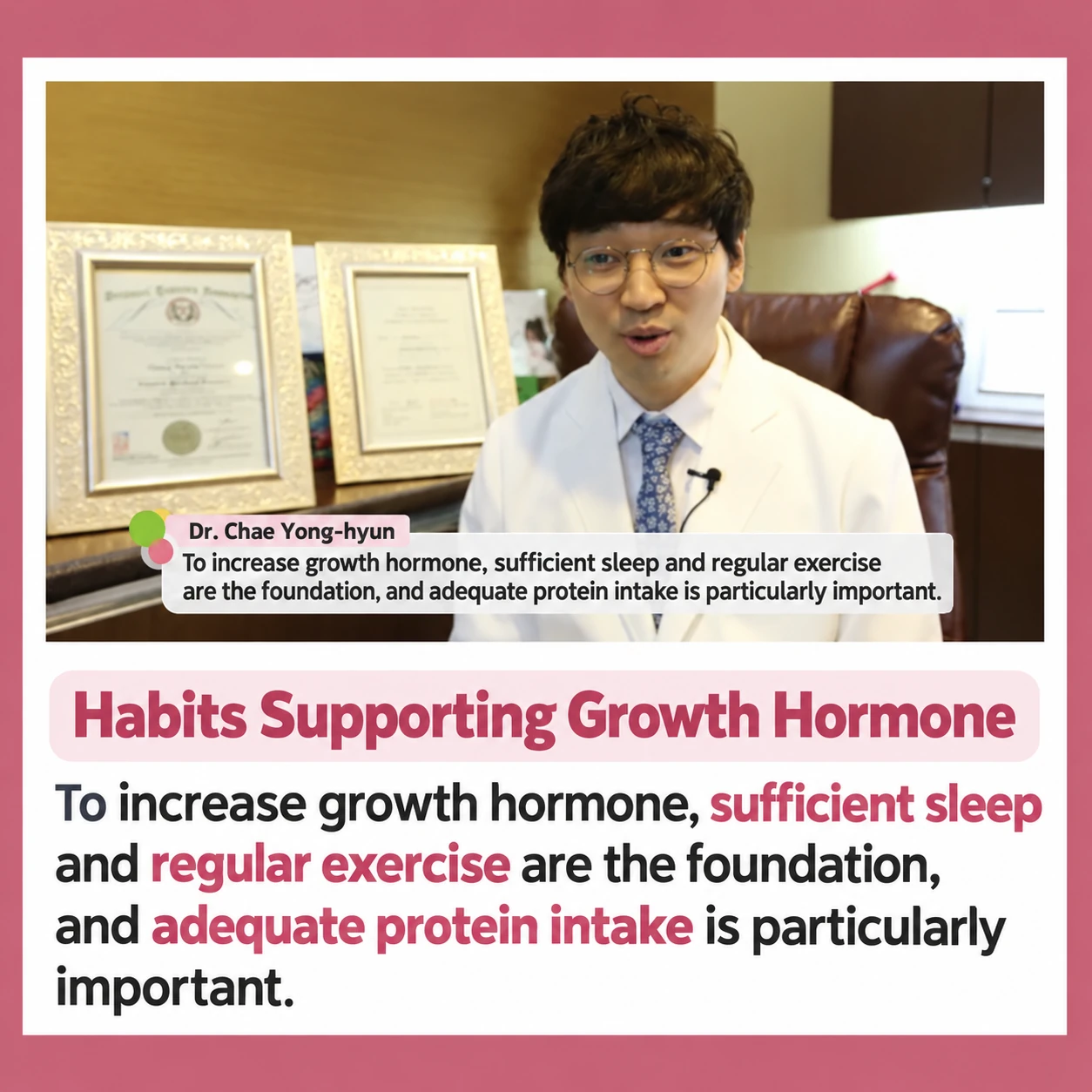
To increase growth hormone, sufficient sleep and regular exercise are the foundation, and adequate protein intake is particularly important.