
Introduction
Body-shape management is a lifelong concern. Did you watch episode 442 of SBS Special, “The End of Dieting”? It is interesting both for people concerned with dieting and for those who are not.
Fourteen participants in the American weight-loss show The Biggest Loser, including diet hero Danny Cahill, who lost 108 kg over six months, were experiencing weight rebound. He reportedly regained 47 kg. The fall of this dieting hero is said to have shocked the United States. During the show, excessive dieting damaged his metabolism, and he is now suffering from regained weight. The aftermath of dieting really is frightening.
The probability of diet failure is reportedly as high as 99%. Why do we fail at dieting? American neuroscientist Sandra Aamodt is said to have identified the brain as a cause of failure: rapid weight loss over a short period affects hormone secretion in the brain. This relates to our earlier post about food cravings. For a more detailed explanation, see http://blog.naver.com/saebom2468/220692918519
The hunger-inducing hormones ghrelin and neuropeptide Y (NPY) subside when we start eating. The stomach and small intestine begin releasing other hormones that signal fullness, allowing us to feel satisfied and stop eating.
The more we overtax the body through rapid dieting, the more hormone secretion becomes abnormal. These hormonal changes fail to find a balance point; appetite hormones continue increasing, and satiety hormones continue seeking another meal. Even if weight is lost over a short period, rebound may inevitably follow in this state.
Controlling calories alone can control weight in practice, but cannot adjust hormones. A diet that does not achieve hormonal balance may ultimately fail; the post argues that such a diet cannot succeed. Success or failure in dieting is thus closely connected with hormones.
Dr. Chae, Yong-Hyun, director of YONSEI SaeBom Medical Clinic, has long said that body shape is closely related to hormonal problems, based on analysis of what the post calls Korea’s largest HCG diet dataset. Such careful medical principles are described as underlying the health and diet success of numerous entertainers and celebrities. The broadcast appears to have highlighted the close relationship between hormones and dieting once again.
The HCG hormone diet involves understanding hormones as a whole, in addition to managing food and exercise. We hope many people succeed both in dieting and in recovering health through expert consultation and systematic, individualized programs. Related article: http://www.ggilbo.com/news/articleView.html?idxno=293512
No. 1 Hormone Clinic. YONSEI SaeBom Medical Clinic.
Original illustrations & English text
The original artwork is preserved below, with English translations of the text in each illustration.
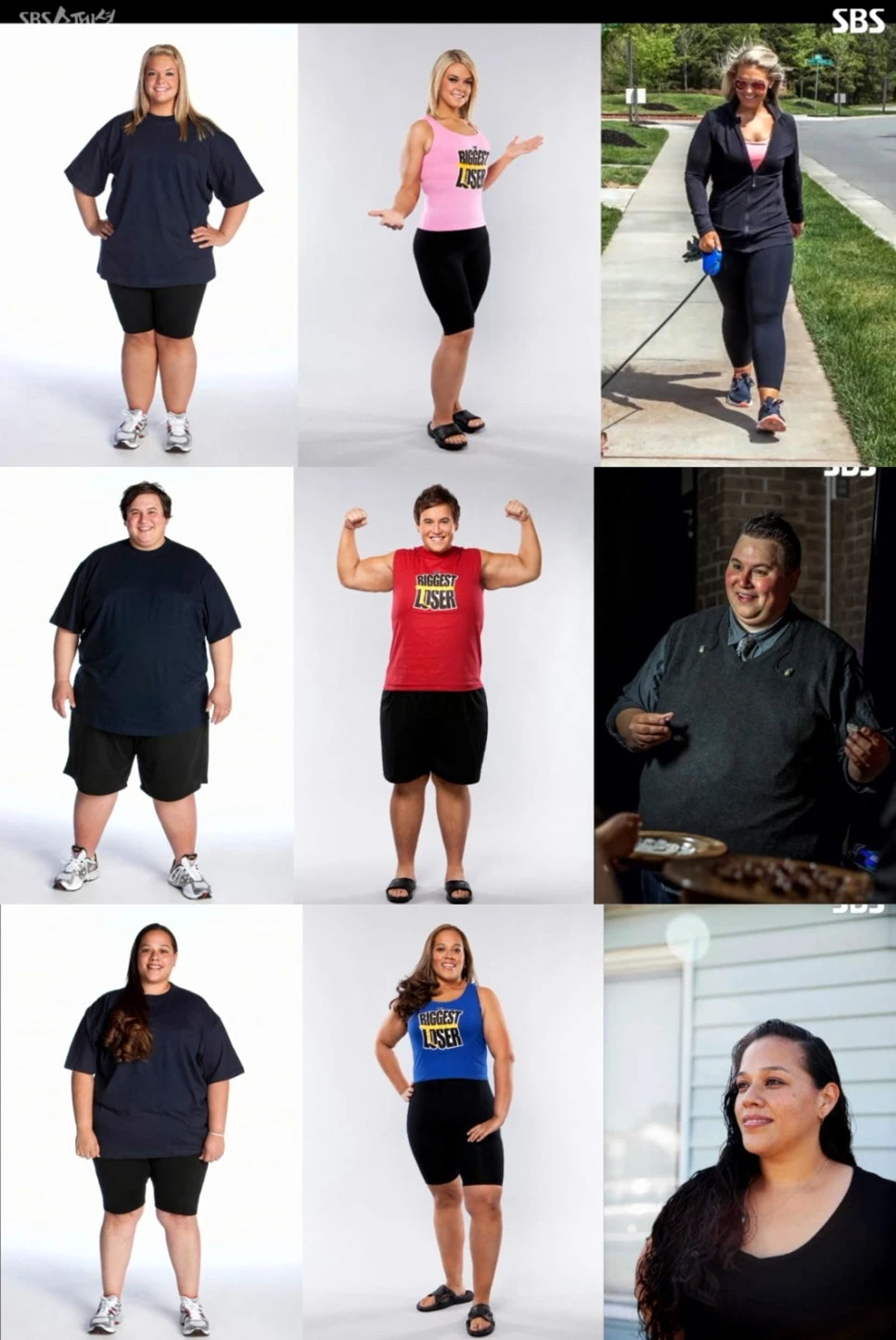
SBS Special: photographs of The Biggest Loser participants before weight loss, after weight loss and after regained weight.
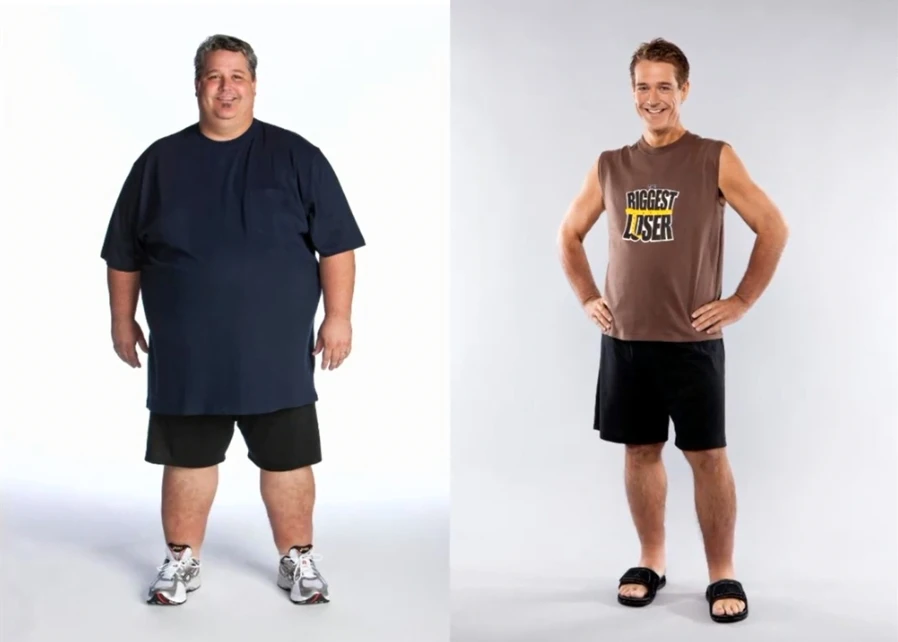
Danny Cahill before and after weight loss.

Danny Cahill, 46, lost 108 kg in 2009: “What worries me now is whether things will be even worse in five years. They have worsened over the past six years. I am returning to my original weight, but my metabolism keeps slowing down. I worry that losing weight may now become impossible.”
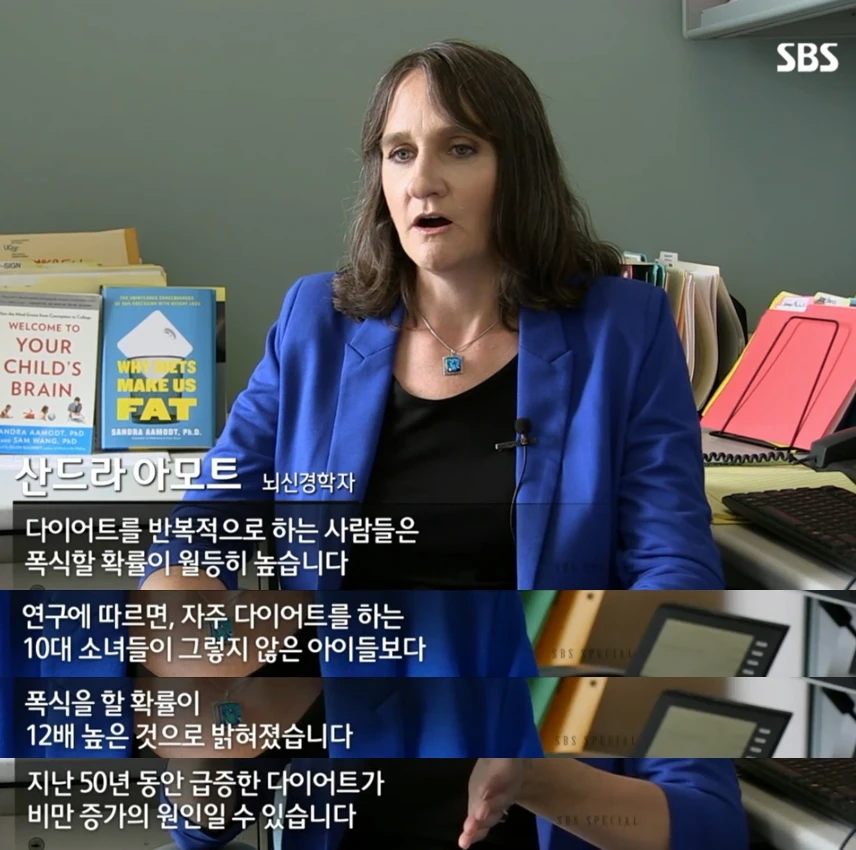
Neuroscientist Sandra Aamodt: “People who repeatedly diet are much more likely to binge eat. Research found that teenage girls who diet frequently are twelve times more likely to binge eat than those who do not. The rapid increase in dieting over the past fifty years may be a cause of increasing obesity.”
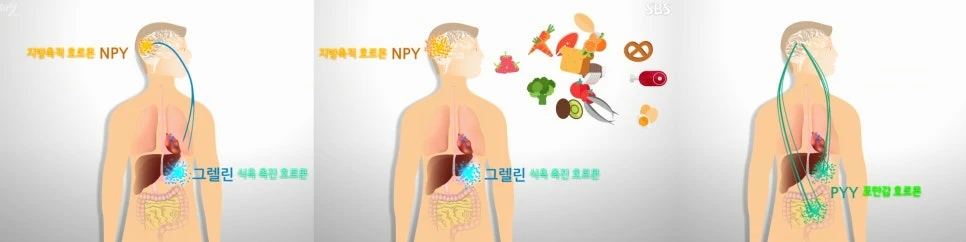
Diagram labels: appetite-stimulating hormone NPY; ghrelin, an appetite-stimulating hormone; PYY, a satiety hormone. The diagram shows hunger-related signals changing after food is eaten.
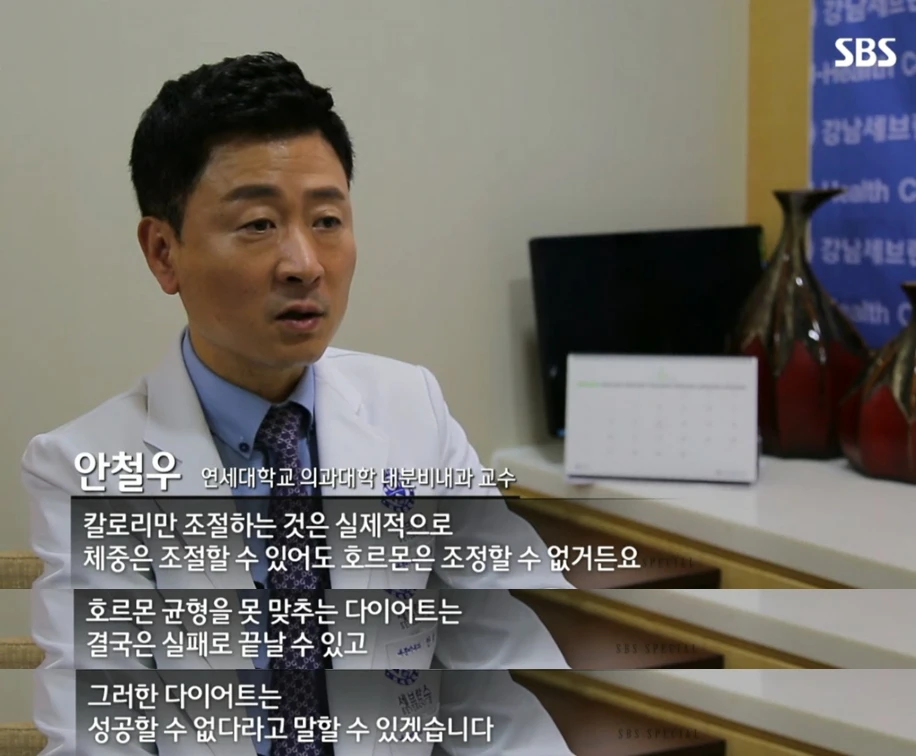
Professor Ahn Cheol-woo, Department of Endocrinology and Metabolism, Yonsei University College of Medicine: “Controlling calories alone may reduce weight in practice, but cannot adjust hormones. A diet that does not achieve hormonal balance can ultimately end in failure. Such a diet cannot be said to succeed.”
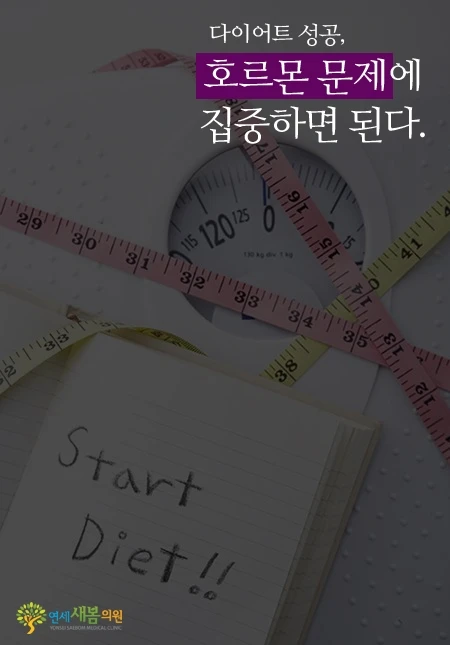
For diet success, focus on the hormonal problem.

Because hormones are the body’s signaling system, sufficient preliminary consultation and proper management are described as restoring disrupted hormonal balance and making both body-shape and diet management possible.