
Introduction
The recent sweltering weather makes people sweat even while sitting still, and many are avoiding outdoor activity. Less activity in the heat lowers energy metabolism, allowing fat to accumulate. Apart from exercise, what can prevent this accumulation? Hormonal regulation. Today, let us look at the close relationship between hormones inside the body and dieting that we may have overlooked.
When environmental stimuli such as outside temperature, exercise or stress change bodily functions, the body needs to adjust itself and return to its original normal state. Hormones allow this maintenance to happen automatically. They regulate reproduction, growth and development, maintain homeostasis, and participate in producing, using and storing energy. Thanks to hormones, our organs work in harmony and vital activities continue smoothly. Hormonal imbalance may lead to illness; failing to look after health can also ultimately disrupt hormonal balance and lead to disease.
To win the battle against obesity, we first need to understand appetite. Many people experience considerable physical and mental stress while dieting. The body reacts sensitively to stress: all outside stimuli that can disrupt its balance. Under stress, hormone levels rise and encourage fat accumulation. Cortisol, one such hormone, interferes with water metabolism and causes swelling, so that even drinking water may make the body swell easily and contribute to obesity. Accumulated stress also slows liver function, disrupting metabolism, while the spleen, described here as regulating appetite, fails to work properly, leading to binge eating. The most important thing while dieting is to minimize stress.
In contrast to stress hormones, serotonin is called a “happiness hormone.” This neurotransmitter in the hypothalamic center affects mood, memory and sound sleep as well as appetite regulation. When serotonin decreases, appetite may increase. A diet pursued for health and successful weight loss should therefore be enjoyable. Stress about dieting should not instead lead to further weight gain or harm health.
The HCG hormone diet is described in this post as sending hunger-suppressing signals to the brain when HCG enters the body, allowing restrained meals. It is also described as reducing the irritability, psychological stress and emotional fluctuations often experienced during dieting, making dieting more comfortable and enjoyable. The post further describes fat redistribution as reducing fat in the arms, abdomen and lower body while preserving fat in the face and breasts.
Although we cannot directly control our hormones ourselves, we need to understand their functions and make efforts to manage them. Maintaining healthy eating, exercise and stress-management habits, and indirectly normalizing hormonal balance, is important. Many members of the public and even doctors are apprehensive about hormone management. However, because hormones form the body’s signaling system, the post argues that sufficient preliminary consultation and proper management can restore disrupted hormonal balance and free people from obesity and stress, described as roots of many illnesses.
The Hormone Balance Diet is an individualized program. By addressing hormonal imbalance, described here as the underlying cause of dieting problems, it aims to support health, body shape and weight loss together—a diet that succeeds.
Original illustrations & English text
The original artwork is preserved below, with English translations of the text in each illustration.

How to truly diet without rebound: the answer is the HCG hormone diet.
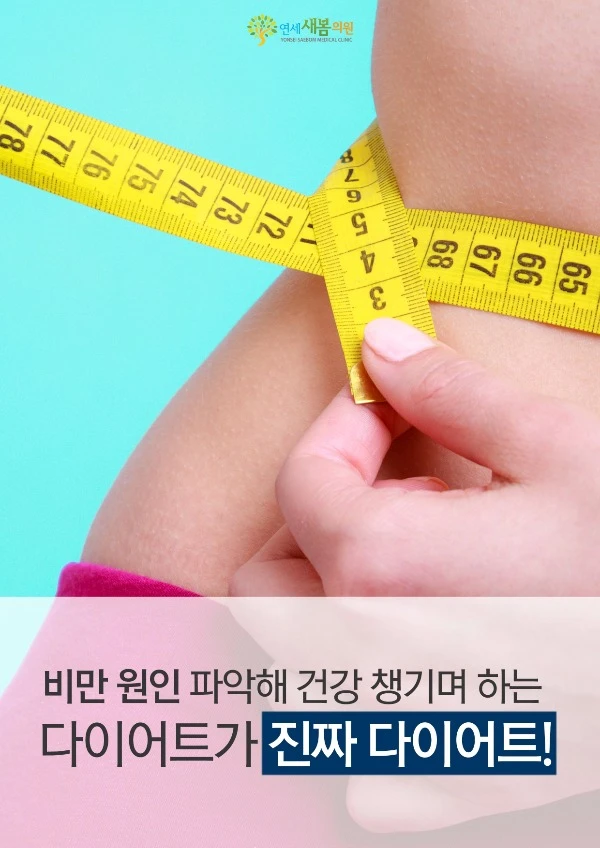
A diet that identifies the causes of obesity while caring for health is a real diet.
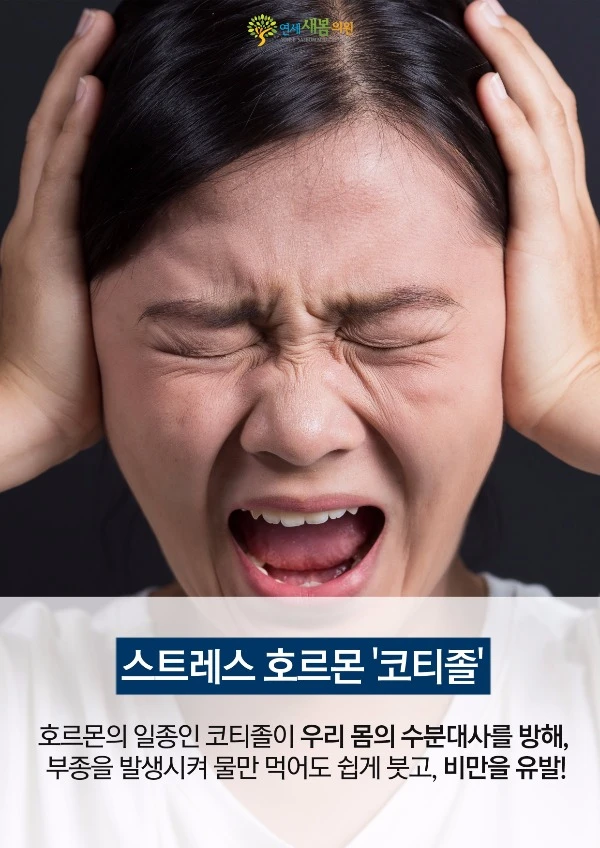
Stress hormone “cortisol”: the post describes cortisol as interfering with the body’s water metabolism, causing swelling even when only water is consumed and contributing to obesity.

The most important thing while dieting is to minimize stress. An enjoyable diet is needed when dieting for health and successful weight loss.
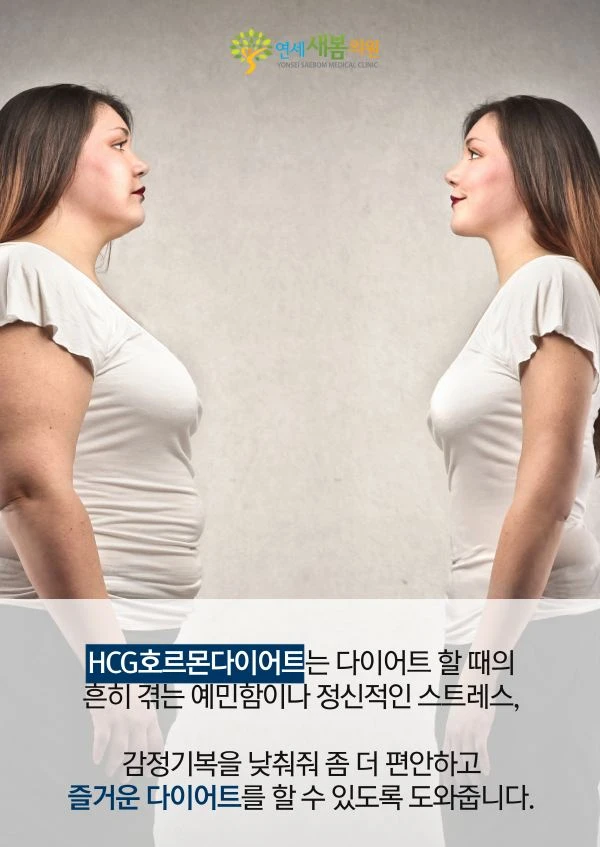
The HCG hormone diet is described as reducing the irritability, psychological stress and emotional fluctuations commonly experienced during dieting, making dieting more comfortable and enjoyable.

Maintain healthy eating, exercise and stress-management habits, and indirectly normalize hormonal balance.
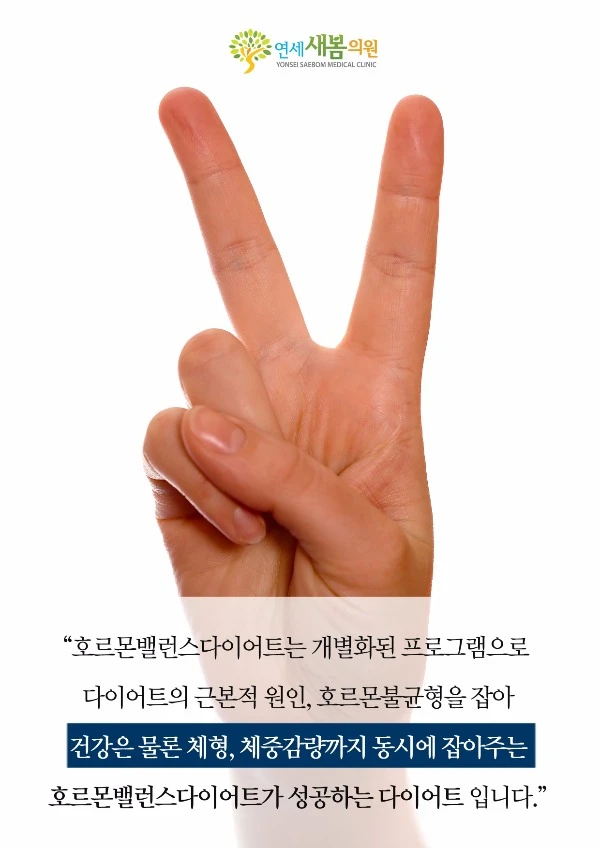
The Hormone Balance Diet is an individualized program addressing hormonal imbalance, described as the fundamental cause of dieting problems, and aiming to support health, body shape and weight loss together.

Escape lower-body obesity. A diet specializing in lower-body obesity. Weight off quickly in a short time, from the areas you want. HCG hormone diet—YONSEI SaeBom Medical Clinic Hormone Balance Diet.
Dr. Chae, Yong-Hyun’s Hormone Balance Diet.